Table of Contents
Why Static Websites Fail Modern Businesses
In today’s fast-moving digital economy, a website is no longer just a digital business card or a static brochure. It serves as the primary touchpoint where prospective clients evaluate your brand’s authority, capability, and execution standards in a matter of milliseconds. When a high-intent visitor lands on an outdated or rigid site, friction immediately enters the experience—resulting in lost trust, dropped conversions, and missed revenue opportunities.
A high-converting website must combine clear strategic messaging, custom design aesthetics, and robust infrastructure to turn traffic into lasting business relationships.
01 — The Fallacy of Generic Web Templates
Many growing organizations fall into the trap of using off-the-shelf templates to establish an online presence quickly. While templates offer a low initial cost barrier, they create severe technical and operational limitations as your company scales.
- Heavy Code Bloat: Pre-packaged templates ship with unnecessary code, external libraries, and unused visual modules that severely slow down page speed.
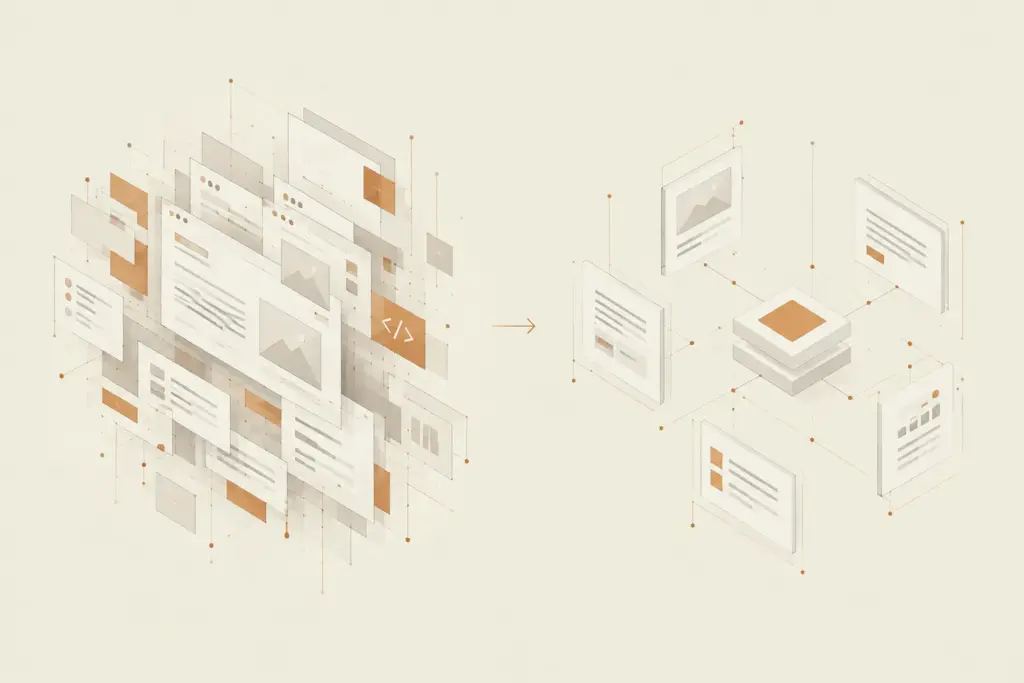
- Rigid Conversion Paths: Templates force unique service offerings into standardized layouts rather than crafting deliberate user journeys tailored to your target audience.
- Scalability Bottlenecks: Adding custom functionality, custom APIs, or multi-language support to template-based sites often breaks existing styling and leads to constant maintenance issues.
“A great website doesn’t just inform. It makes people feel that they’re in the right place while actively serving as your primary sales engine.”
02 — Core Pillars of Scalable Web Architecture
Engineered digital foundations rely on four fundamental pillars designed to turn visitors into long-term clients.
1. Performance & Visual Stability
Page speed directly impacts visitor retention and organic search rankings. A delay of even a single second reduces user engagement and conversion rates. By utilizing custom visual assets and clean, lightweight code, your platform maintains instant response times across all devices.
2. Structured Information Hierarchy
Visitors must understand what your business does, who you serve, and how to get started within seconds of landing on your page. Clear typography, structured content cards, and logical navigation keep users moving smoothly through your funnel.
3. Deep System Integration
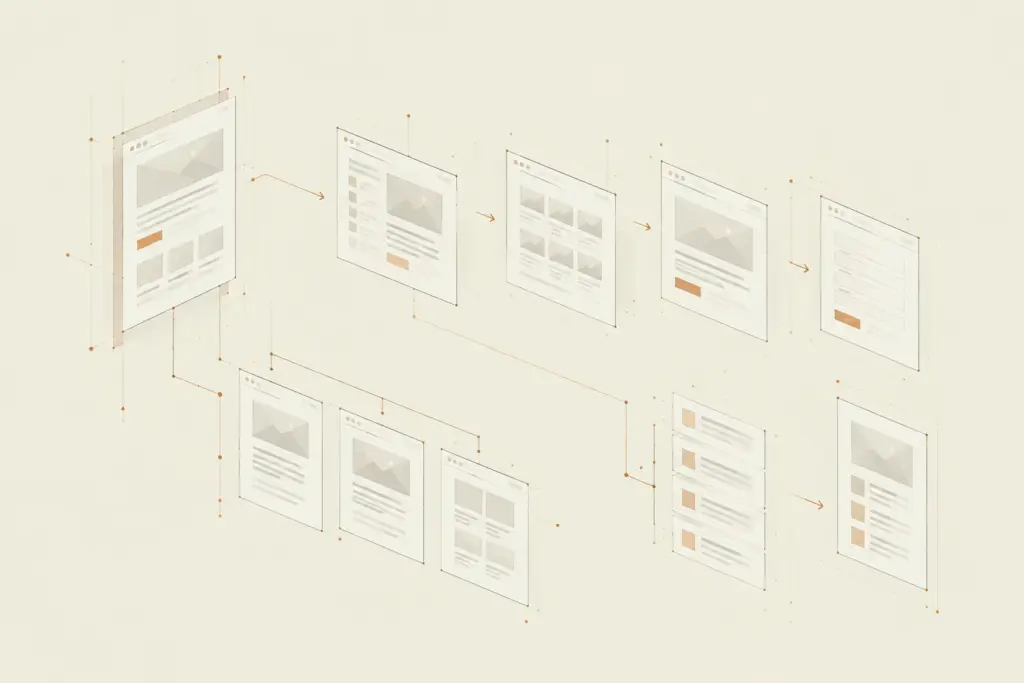
A website should never exist in isolation. Connecting your user-facing pages directly to lead intake forms, CRM systems, payment pipelines, and scheduling tools ensures seamless operations without manual data entry.
4. Custom Visual Identity
Standing out in competitive markets requires a distinct visual direction. Clean geometric layouts, purposeful color palettes, and interactive UI components establish trust and reflect professional standards.
03 — Turning Visitor Intent into Business Results
Attracting traffic is only half the battle; capturing high-value intent requires strategic interaction design.
- Clear Headlines Above the Fold: Communicate your core value proposition immediately upon page load without forcing the user to scroll.
- Contextual Proof Points: Support your claims with concise case examples, direct metrics, and structured feature cards.
- Low-Friction Calls to Action: Provide clear, obvious next steps, whether that means booking a call, requesting a brief, or viewing specialized services.
04 — Future-Proofing Your Digital Investment
Investing in custom web infrastructure ensures that your platform grows alongside your business. As you launch new product lines, expand into international markets, or automate internal workflows, a modular web setup adapts effortlessly—sparing your team from needing a total redesign every two years.
Ready to Move Beyond a Static Website?
A static site shouldn’t be a bottleneck for your company’s growth. If you’re ready to convert dynamic traffic into lasting business leads, explore how we engineer tailored digital foundations on our Business Websites page, or view our full range of custom automated solutions on our Services page.