Table of Contents
Automating Sales Pipelines: Reducing Conversion Time and Friction
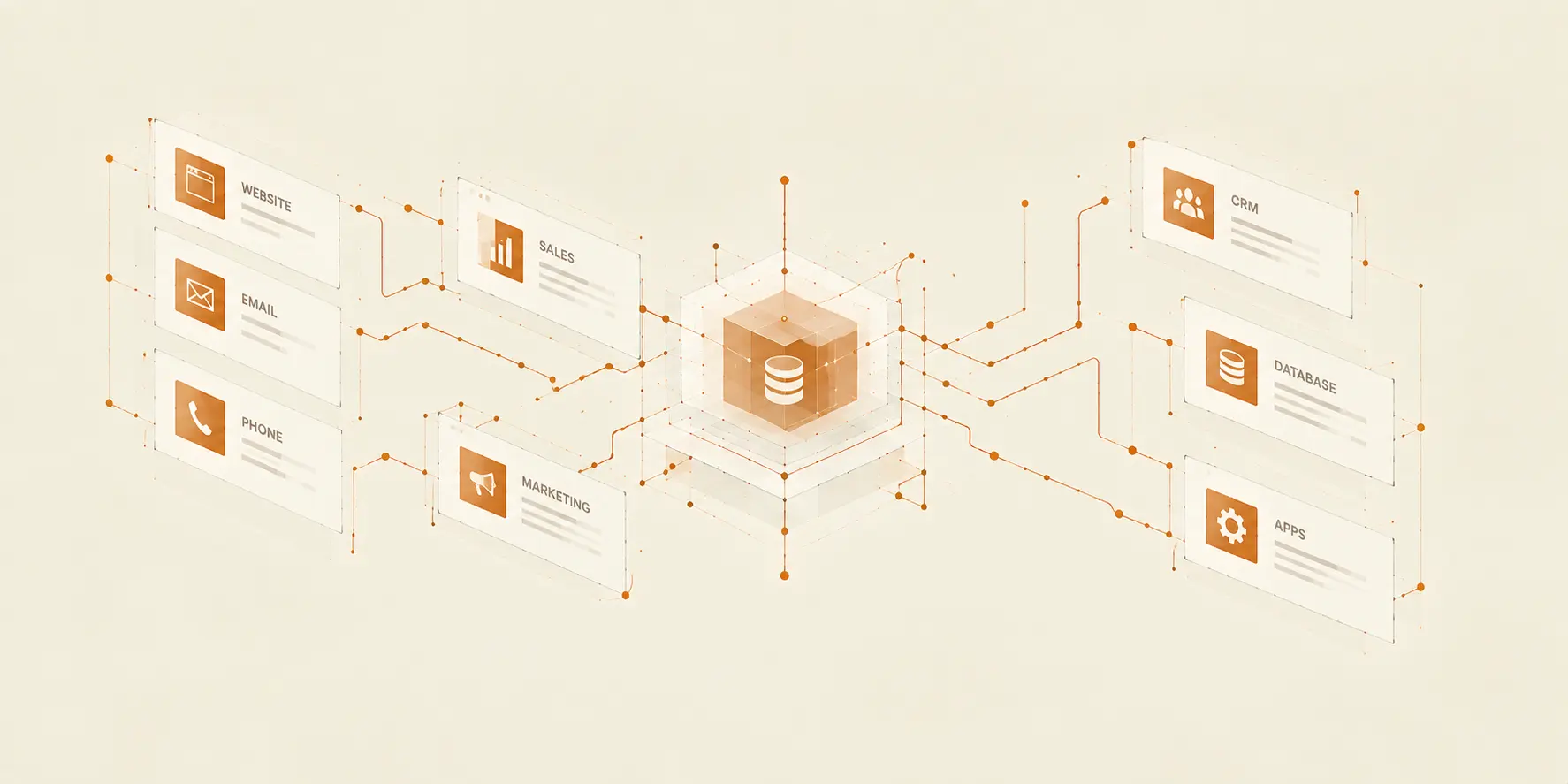
High-performing sales organizations don’t succeed simply by working harder; they succeed by removing operational friction from every stage of the buying process. When sales representatives spend hours manually updating deal statuses, drafting repetitive follow-up emails, creating calendar invites, and chasing internal approvals, pipeline velocity slows down.
Automating your sales pipeline removes routine administrative overhead from your revenue team. By setting up event-driven trigger rules and automated stage actions inside your CRM, you ensure that deals move smoothly from first contact to signed contract with minimal friction and maximum speed.
01 — Where Friction Kills Deal Velocity
Administrative bottlenecks slow down momentum and create unnecessary deal stagnation across active pipelines.
- Manual Activity Logging: Requiring reps to hand-enter every email, phone call, and meeting log eats up valuable selling time and leads to incomplete CRM histories.
- Delayed Follow-Up Cycles: When stage transitions depend on manual reminders, prospective clients sit waiting for proposals or next steps for days.
- Inconsistent Contract and Quote Hand-Offs: Generating contracts manually creates version-control errors and extends the decision phase unnecessarily.
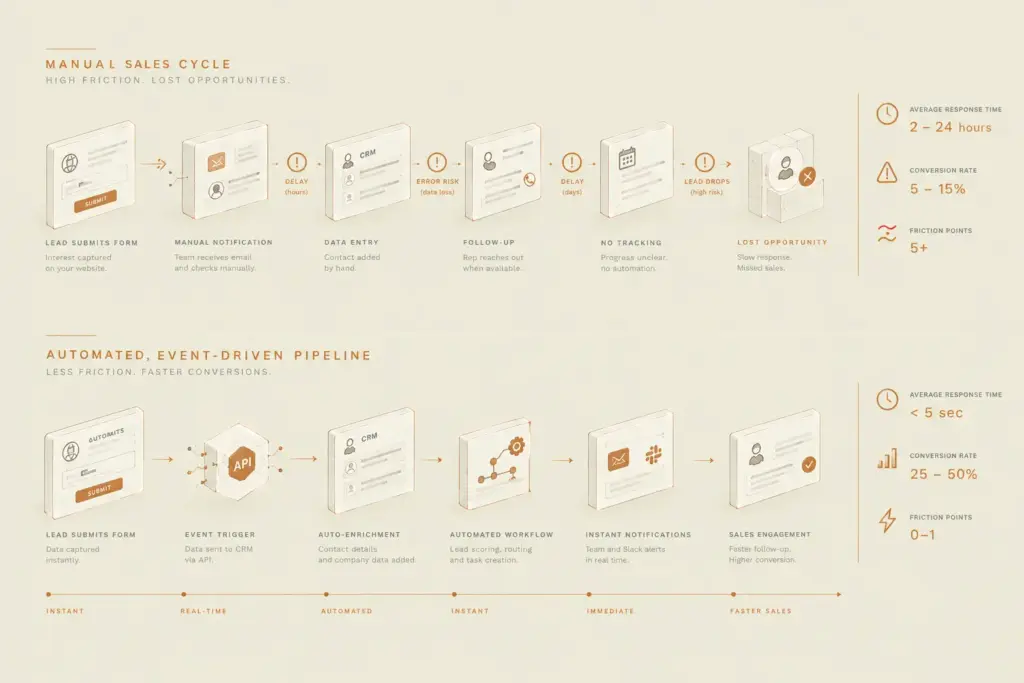
“Friction in a sales pipeline acts like an invisible tax on revenue. Every manual step you eliminate directly accelerates your deal velocity.”
02 — Core Pillars of Sales Pipeline Automation
Building an automated pipeline infrastructure requires embedding smart workflow logic across key deal milestones.
1. Automated Stage-Triggered Communications
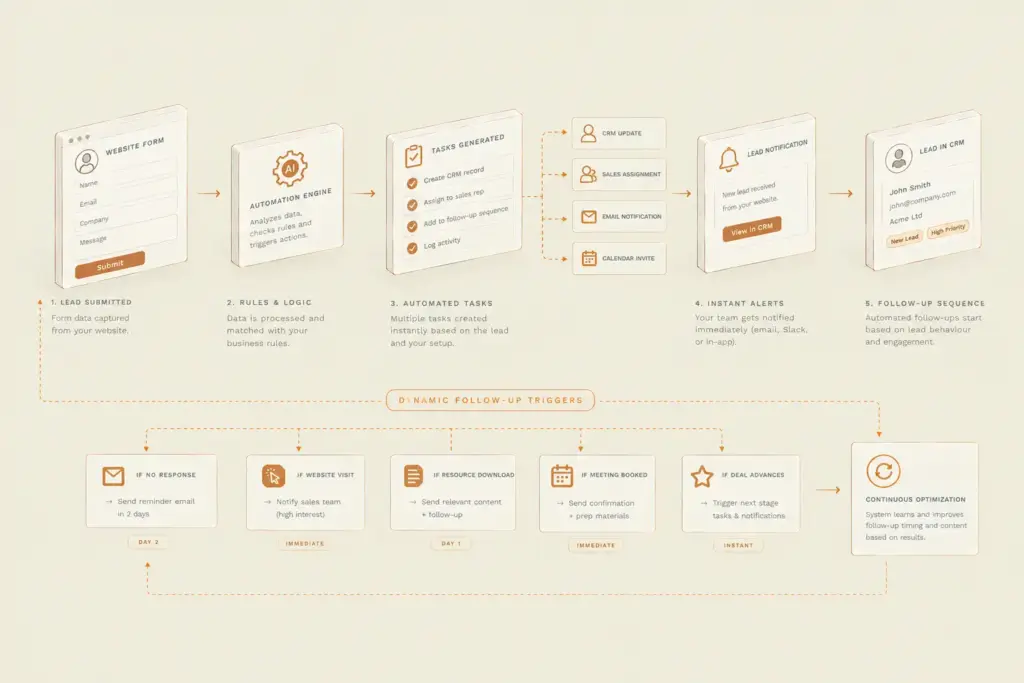
Set up automated triggers that immediately dispatch personalized follow-up resources, case studies, or scheduling links the instant a deal transitions to a new stage.
2. Event-Driven Task Generation & Reminders
Automate internal rep notifications and task assignments based on real buyer behavior—such as when a prospect opens a proposal, views a pricing page, or fails to respond within a set window.
3. Seamless Document & e-Signature Integration
Connect your CRM directly to document management tools. When a deal reaches the closing stage, auto-populate proposal templates with deal data and generate e-signature requests automatically.
03 — Measurable Benefits of Pipeline Automation
Streamlining your sales process through automated workflows yields rapid performance improvements across the entire revenue engine:
- Shorter Sales Cycles: Automated hand-offs and instant communication keep deals moving forward without administrative delays.
- Increased Representative Capacity: Eliminating repetitive manual logging gives sales teams more hours back each week to focus on high-value closing activities.
- Consistent Process Execution: Standardized workflow automation ensures every prospect receives a reliable, high-touch sales experience.
04 — Modernizing Your Revenue Engine
Accelerating conversion times requires building a pipeline environment where technology handles the logistics and reps focus on relationship-building. By deploying automated CRM workflows, your business builds a high-velocity sales engine equipped to turn prospects into closed accounts efficiently.
Eliminate Friction Across Your Sales Funnel
Stop letting manual administrative tasks slow down active deals. Explore our CRM integration services and discover how our tailored digital solutions can automate your pipeline workflows, shorten sales cycles, and maximize team productivity.