Table of Contents
The Science of Automated Follow-Ups: Increasing Sales Velocity
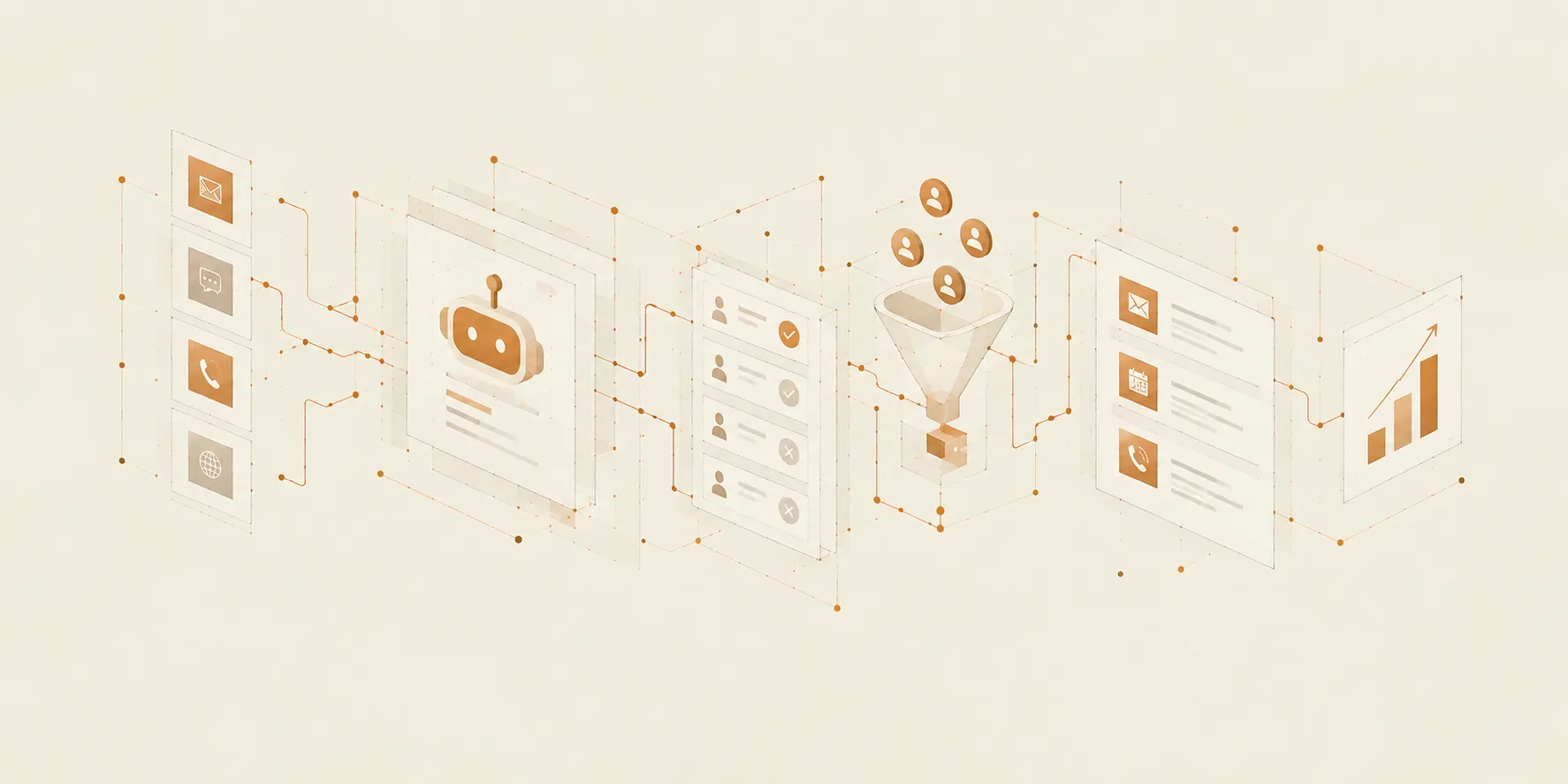
In B2B sales and high-ticket service industries, winning a deal is rarely determined by the first interaction alone. Over 80% of successful conversions require between 5 and 12 touchpoints. Yet, more than 44% of sales teams give up after just one follow-up attempt due to time constraints, lack of structured tracking, or simple manual oversight.
Leaving follow-up management to memory or manual calendar reminders introduces massive revenue leakage. Building systematic, behavior-driven follow-up workflows ensures that every lead stays engaged, decision-makers receive timely value, and sales velocity increases across your entire pipeline.
01 — The Hidden Costs of Manual Follow-Up Management
Relying on sales reps or account executives to manually track and follow up with every open lead creates operational bottlenecks that slow growth.
- Inconsistent Timing: Leads receive responses erratically—sometimes within minutes, other times days later—destroying momentum and trust.
- Generic, Low-Value Cadences: Reps falling back on generic “just checking in” emails that fail to provide value or address specific buyer objections.
- Pipeline Stagnation: Warm prospects drift cold simply because sales teams shift focus entirely to fresh inbound queries while neglecting ongoing nurture sequences.
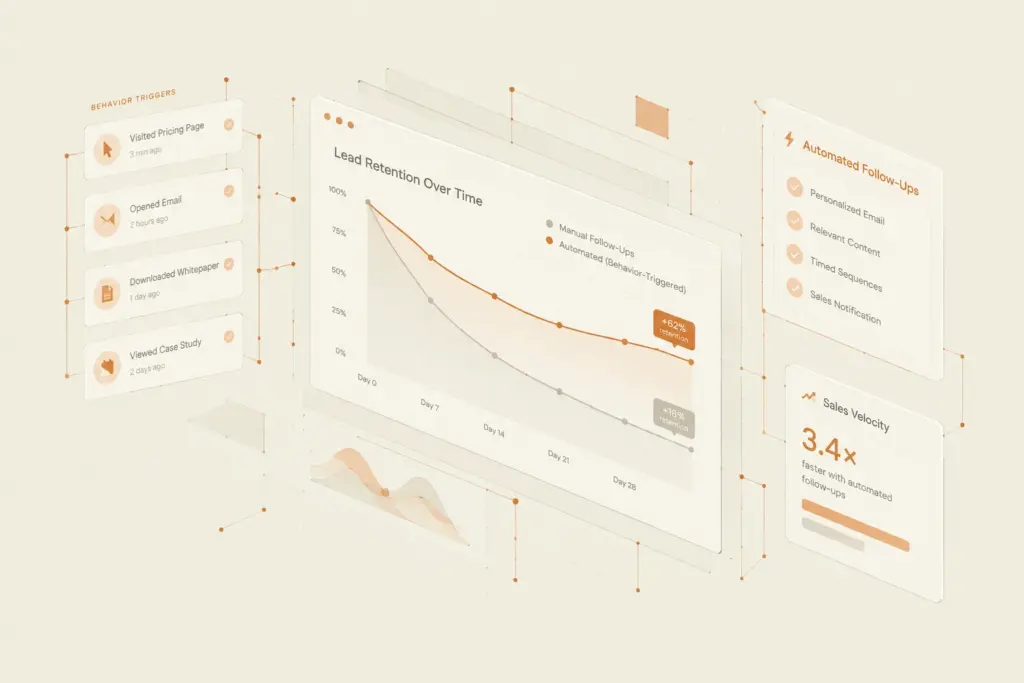
“Automated follow-ups aren’t about spamming a prospect’s inbox; they are about delivering the right contextual information at the exact moment intent peaks.”
02 — Anatomy of a High-Converting Automated Follow-Up Engine
An effective automated nurture strategy is dynamic, multi-channel, and tailored directly to user behavior.
1. Multi-Channel Touchpoints (Email, SMS & WhatsApp)
Engage prospects across their preferred channels. Combining timely email insights with gentle, permission-based SMS or instant message reminders creates higher touchpoint visibility without feeling invasive.
2. Event-Driven Dynamic Triggers
Static drip campaigns are obsolete. Modern follow-up architectures trigger specific messages based on real-time prospect actions—such as revisiting a proposal page, clicking a specific link, or opening a pricing PDF.
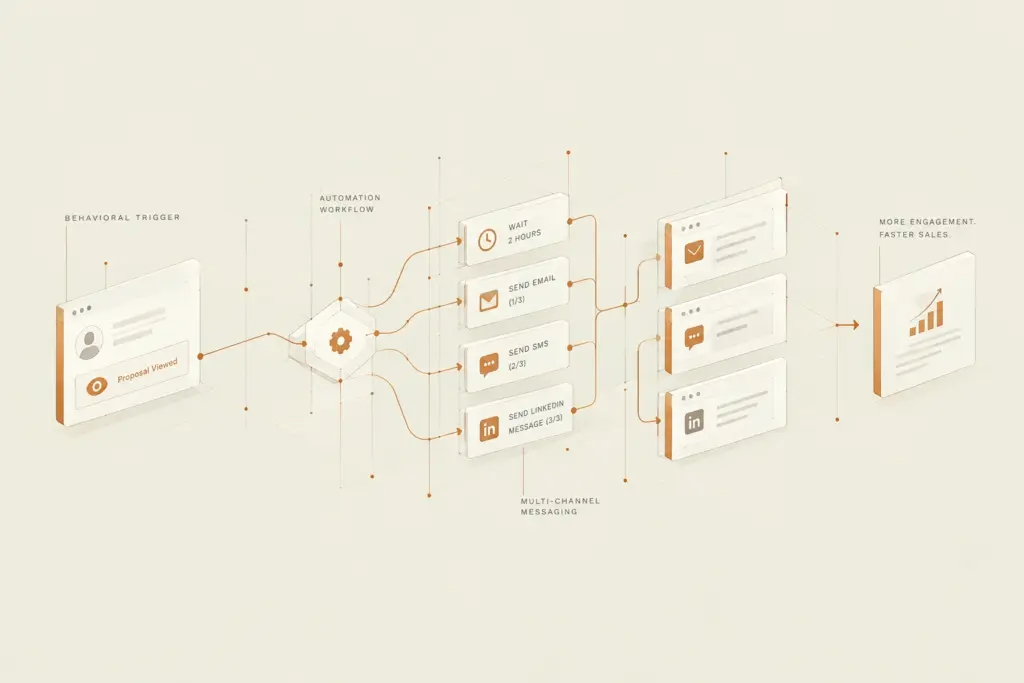
3. Real-Ti3. Automatic Delay Logic and Conditional Exits
Respect the buyer’s pace. Workflows should dynamically pause or route leads into different tracks as soon as a meeting is booked, an objection is flagged, or a deal stage changes in your CRM.
03 — Measurable Impact on Sales Velocity
Implementing automated nurture sequences directly improves the core variables of the sales velocity equation:
- Shortened Deal Cycles: Proactive delivery of case studies, technical documentation, and onboarding FAQs helps prospects make informed decisions faster.
- Increased Win Rates: Automated reminders ensure no qualified deal falls through the cracks, maximizing the ROI of every inbound lead.
- Liberated Sales Bandwidth: Reps spend significantly less time writing routine check-in emails, allowing them to devote energy to high-value discovery calls and negotiations.
04 — Building an Automated Nurture Infrastructure
Scaling revenue does not require expanding your headcount at the exact same rate. By implementing behavior-triggered follow-up architecture into your CRM and customer touchpoints, your organization creates a relentless, 24/7 sales engine that nurtures relationships, accelerates pipeline movement, and drives sustainable sales velocity.
Ready to Accelerate Sales Velocity with Automated Follow-Up Workflows?
Stop letting warm prospects go cold due to manual delays. We build behavior-driven nurture sequences, multi-channel messaging flows, and dynamic CRM triggers that keep your leads engaged 24/7.
Discover our full suite of solutions on our Services Page or explore how we build intelligent pipelines on our Automation & AI Bots Page.